
Nail fungal infections, medically known as onychomycosis, are more common than many realize. They affect millions of people globally, often starting subtly and becoming difficult to treat if left unchecked. Whether it’s a toenail fungus or fingernail fungus, early detection is key to effective management and recovery. At Callidora Laser Clinic, we emphasize the importance of timely diagnosis and personalized treatment to help patients regain healthy, clear nails.
What Is a Nail Fungal Infection?
A nail fungal infection occurs when fungi, typically dermatophytes, invade the nail bed or nail plate. Yeast and mold can also be culprits. These infections thrive in warm, moist environments—making locker rooms, sweaty shoes, and public showers common breeding grounds.
Common Causes of Nail Fungus
Several risk factors may contribute to fungal nail infections:
- Poor foot hygiene – Wearing damp socks or tight shoes can encourage fungal growth.
- Walking barefoot in public places – Gyms, swimming pools, and saunas can harbor fungal spores.
- Weakened immune system – Individuals with diabetes, autoimmune conditions, or the elderly are at increased risk.
- Nail injuries or skin conditions – Minor trauma or conditions like psoriasis can make nails vulnerable.
- Sharing nail care tools – Using unsterilized clippers or files increases the risk of transmission.
Recognizing the causes of nail fungus early allows individuals to take preventive steps and protect their nail health.
Early Signs of Nail Fungal Infection
Knowing the early signs of nail fungal infection can help prevent it from progressing. Common symptoms include:
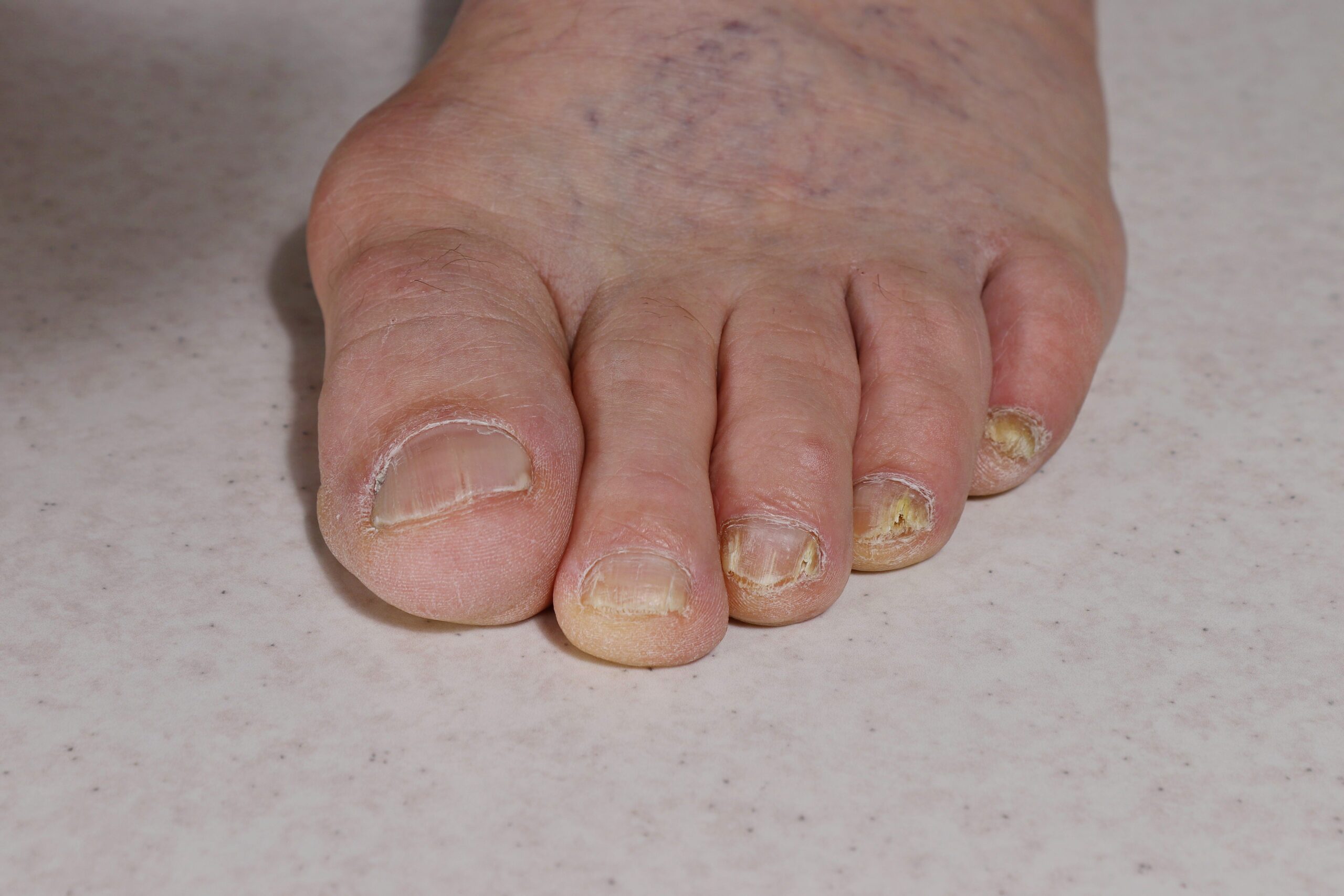
- Discoloration – A yellow, brown, or white spot under the nail.
- Thickening – The nail becomes unusually thick or brittle.
- Distortion – The shape of the nail may change or become ragged.
- Separation from the nail bed – Known as onycholysis, the nail may begin to lift.
- Odor – A mild foul smell might be present as the infection worsens.
Many people mistake these signs for simple nail damage or aging. But early recognition of nail fungus symptoms is crucial to timely treatment.
When to Seek Help
If your nail infection persists, spreads, or causes pain, consult a dermatologist or podiatrist. Early intervention with topical or oral antifungals—or advanced options like laser treatment for nail fungus—can help avoid permanent damage.
Laser therapy is a non-invasive and effective solution that targets the fungal spores without harming surrounding tissue. It’s especially useful for those with recurrent or stubborn fungal infections.
Prevention Tips
- Keep feet clean and dry.
- Use antifungal powders or sprays if prone to infections.
- Wear breathable shoes and moisture-wicking socks.
- Avoid sharing personal grooming tools.
- Trim nails straight and keep them short.
Don’t ignore the early signs—act before it spreads! For expert care and advanced laser treatment options, book your consultation with us.